



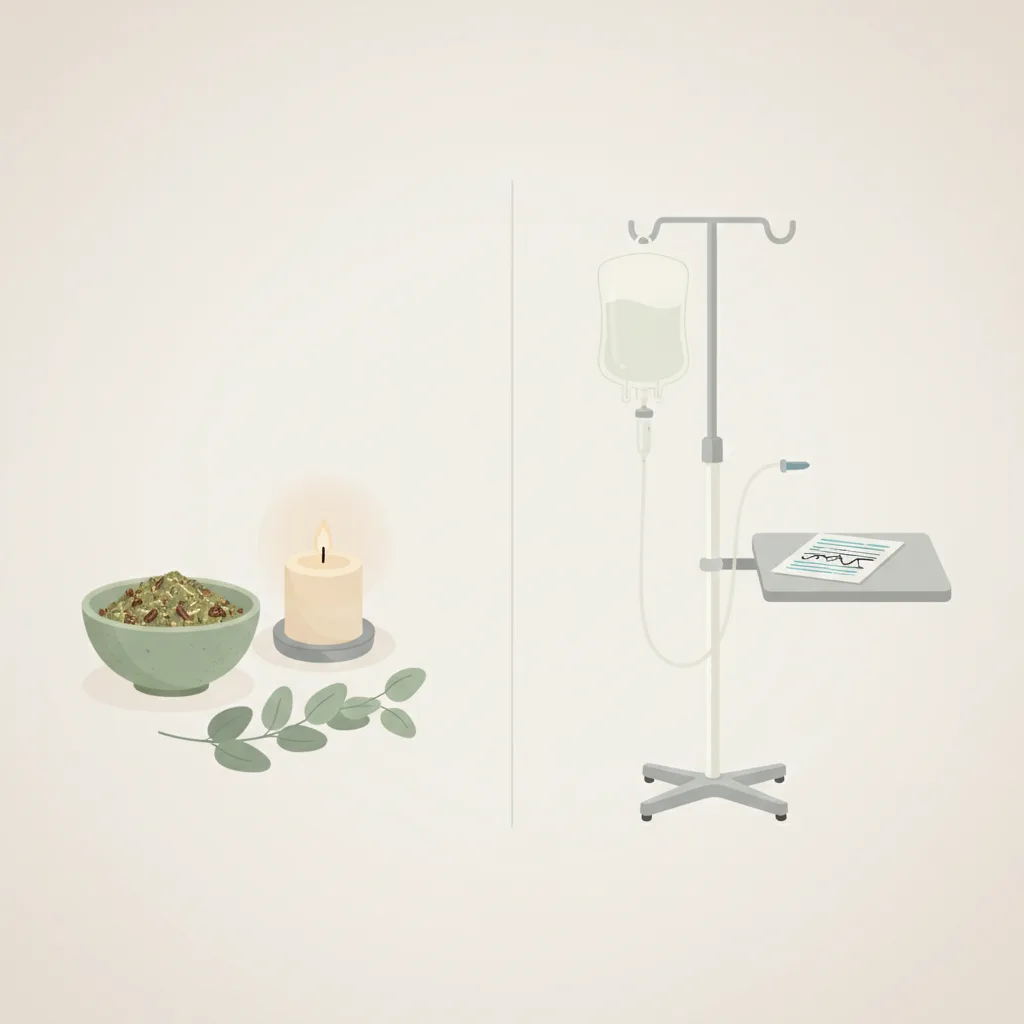
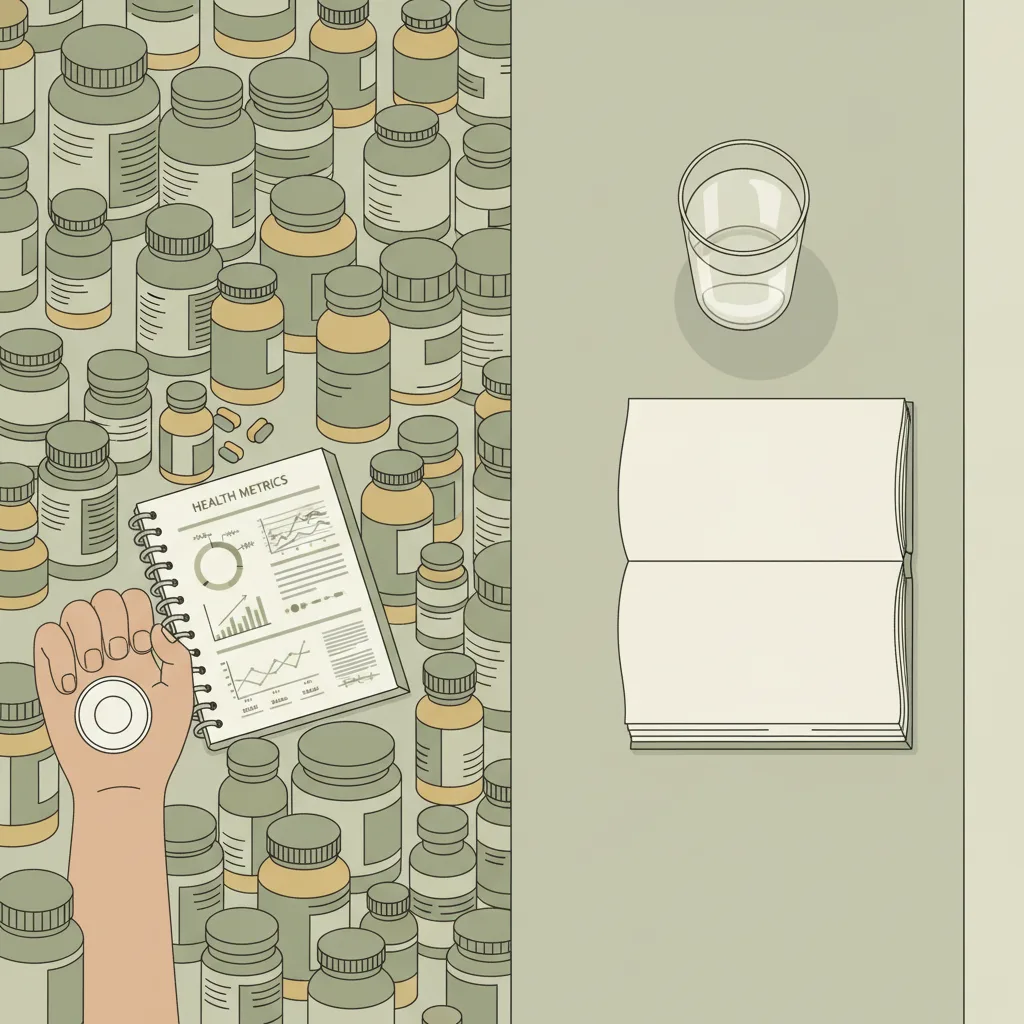




For elderly patients over 75 with end-stage renal disease and high comorbidity burden, dialysis and conservative management (symptom-focused non-dialytic care) are genuinely contested alternatives. Da Silva-Gane et al.’s 2012 CJASN study of 170 patients with advanced kidney failure found an adjusted median survival of 1317 days on haemodialysis versus 913 days on conservative kidney management — about a 13-month advantage — with broadly comparable life-satisfaction scores. Murtagh et al.’s 2007 study of 129 patients aged 75 and over found that this survival advantage narrows sharply with comorbidity and is lost altogether in patients with high comorbidity scores, especially ischaemic heart disease. Against that modest, burden-laden benefit, Saeed et al.’s 2019 survey of 423 maintenance dialysis patients found that nearly 19% regretted their decision to start dialysis — driven by treatment burden (three weekly sessions of three to four hours each, strict dietary and fluid restrictions, fatigue) set against the perceived benefit in the context of functional status and life goals. Regret is concentrated in exactly the elderly, high-comorbidity group where the survival benefit is smallest.
The conservative management pathway, when supported by adequate palliative and symptom care, shows consistently high decision satisfaction. In Verberne et al.’s 2019 survey of patients choosing dialysis or conservative care, none of the 23 conservative-care patients still had doubts about their treatment decision, compared with 17% of the dialysis patients, and 91% of conservative-care patients were satisfied with the decision. The conservative-care sample is small, so the near-zero figure should be read as directional rather than precise, but the direction is consistent across the literature: patients who arrive at conservative management through an informed, shared decision-making process rarely regret it.
The action-dominates pattern in this entry reflects a specific, bounded population: elderly, frail, high-comorbidity ESRD patients. For younger patients or those with lower comorbidity burden, dialysis provides substantially greater survival benefit and the regret distribution would look very different. The dominant predictor of regret on both sides is decision quality — whether patients received adequate information about prognosis, treatment burden, and alternatives without time pressure, and whether their own values and priorities were elicited. The difference between well-counselled and poorly-counselled decisions is larger than the intrinsic difference between dialysis and conservative management. The clinical implication is that the decision conversation — not just the decision — is the intervention most likely to reduce regret.