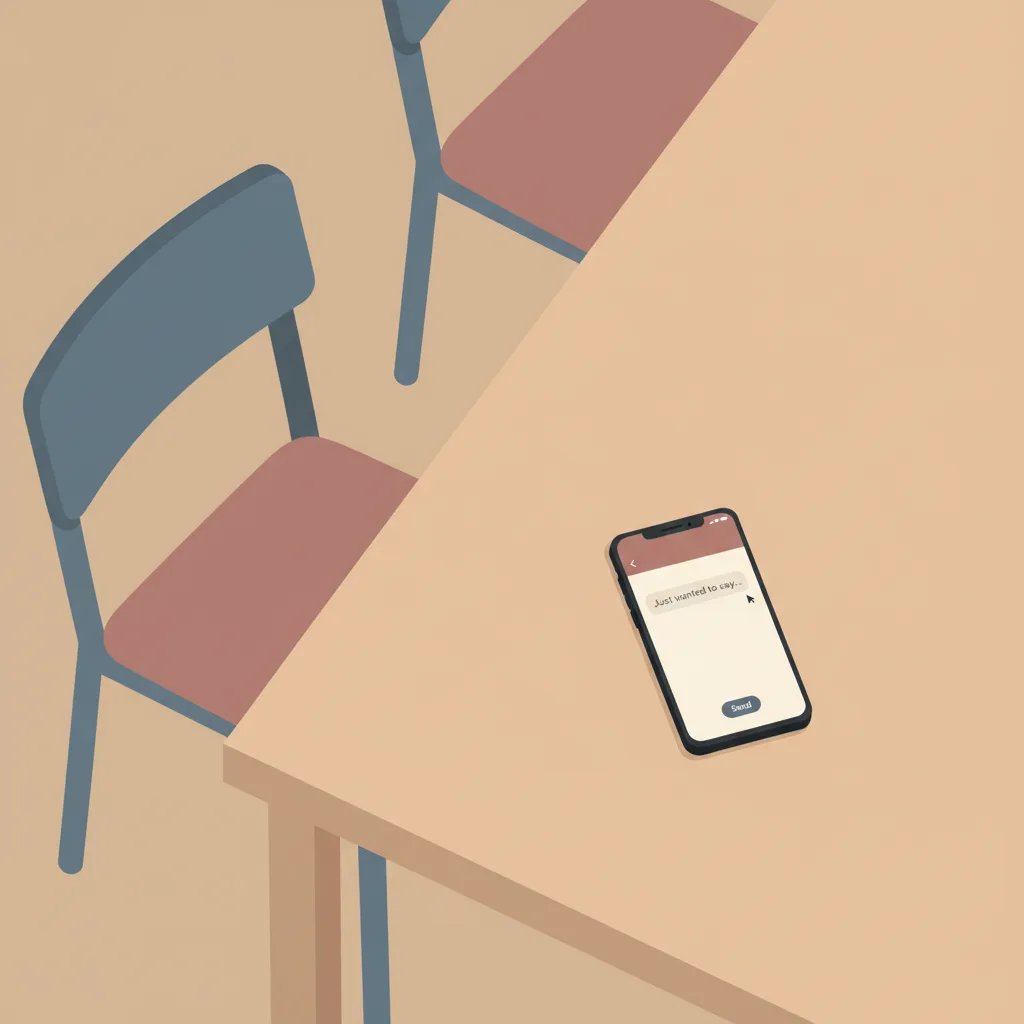



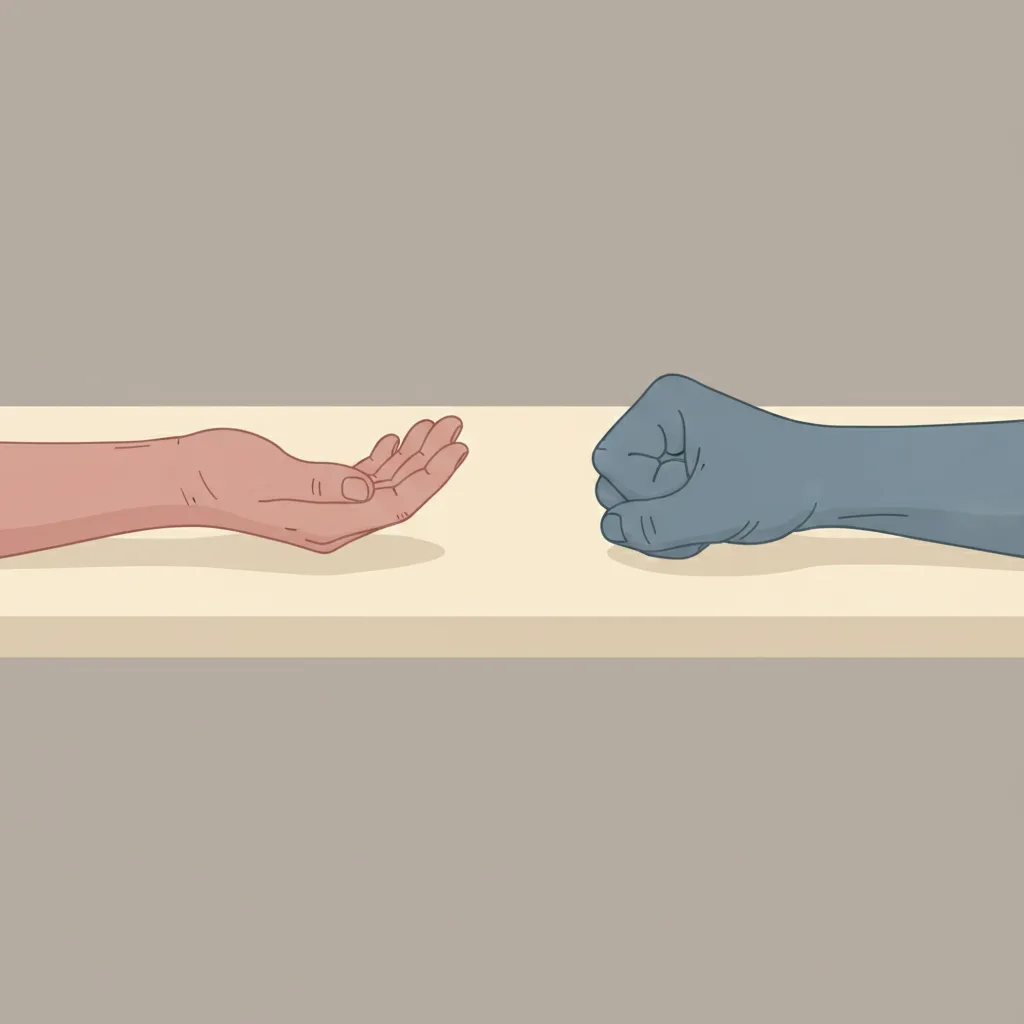



Approximately 90% of adults have at least one relationship they allowed to lapse that they still care about, yet fewer than one third will take any concrete step to repair it even under the most favorable conditions — when they want to, believe the other person would welcome it, and have the contact information available. That behavioral gap, documented by Aknin and Sandstrom (2024) in a series of studies published in Communications Psychology, captures the core asymmetry of this domain: the friction of initiation is chronically overestimated while the positive outcomes of contact are chronically underestimated. Participants who did send a message reported feeling happier afterward; those who did not retained the relationship as a background source of unresolved regret. Talker Research’s 2025 survey of 2,000 Americans found that the average adult had lost touch with roughly nine close friends over the previous decade, with 40% of those lapses attributable to passive inaction — not a deliberate severance, just a slow fade.
The psychological mechanism behind the inaction bias is anticipatory anxiety rather than rational calculation. Aknin and Sandstrom found that participants treated reaching out to an old friend as roughly as daunting as speaking to a stranger, even when they had every reason to believe the contact would be well received. This systematic pessimism is consistent with Roese and Summerville’s (2005) finding that “friends” is one of the three highest-frequency regret domains in adult life — ranked second only to romance — and that regrets in this domain are disproportionately driven by things people did not do rather than things they did. Daniel Pink’s World Regret Survey, drawing on more than 15,000 responses from over 100 countries, found that connection regrets (relationships that drifted or fractured without repair) constituted the single largest category among four core regret types, characterized by the phrase “if only I had reached out.”
The main caveat is that neither rate in this entry is a direct regret measurement. The ~12% action-side estimate is inferred from Aknin and Sandstrom’s behavioral data showing that actual negative outcomes after contact were well below anticipated ones — the true proportion of reconciliation attempts that the initiator later regrets is not directly measured in any large survey found in the literature. No survey in the literature asks people with a lapsed relationship whether they regret not reaching out, so the inaction side carries no direct regret rate; the displayed ~40% is Talker Research’s (2025) measured share of friendship lapses caused by passive inaction, used as a proxy for the scale of regrettable inaction rather than a count of people who report regret. Both figures should be read as directional anchors rather than precise calibrations. This entry is distinct from the site’s existing forgiving-vs-holding-grudge entry: forgiveness is an internal psychological state that can be conferred without any contact, while reconciliation initiation is an observable action — picking up a phone, sending a message, arranging a meeting — and the data sources are entirely different.