

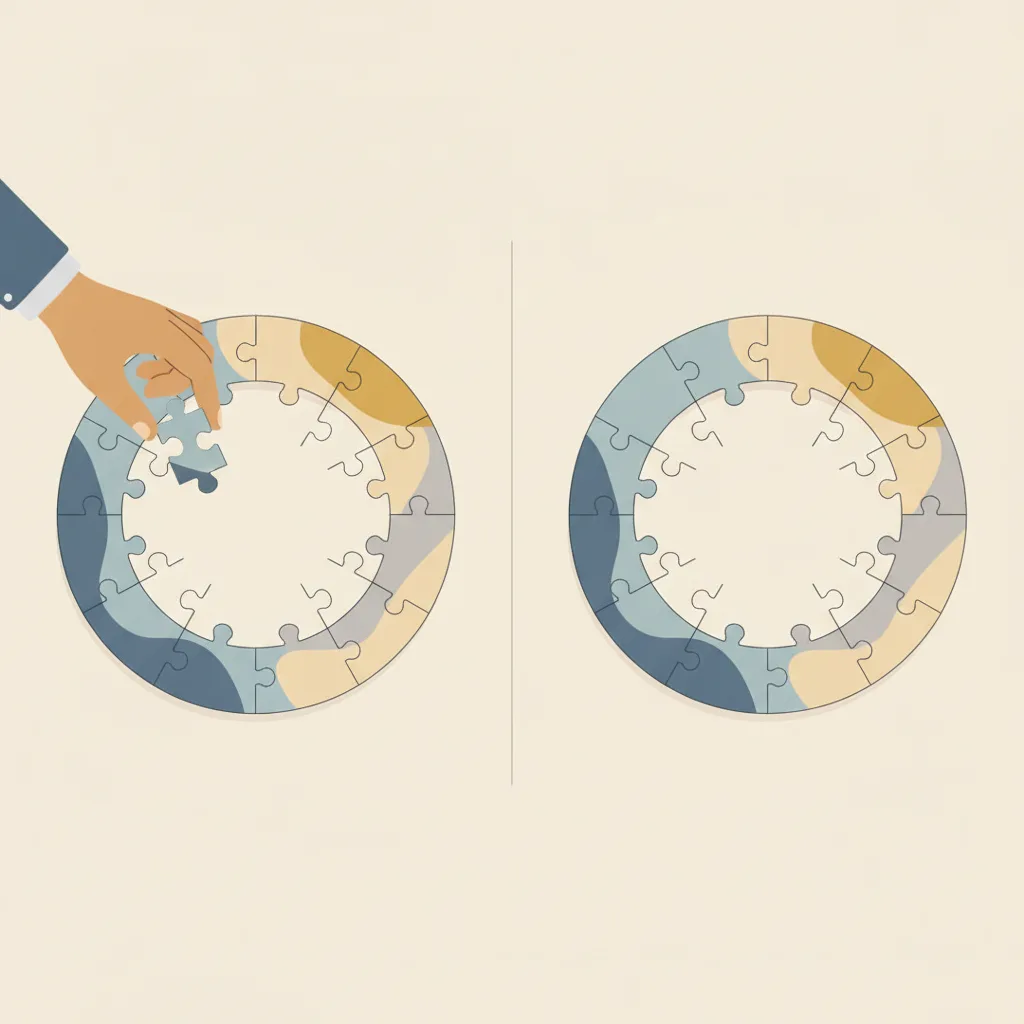
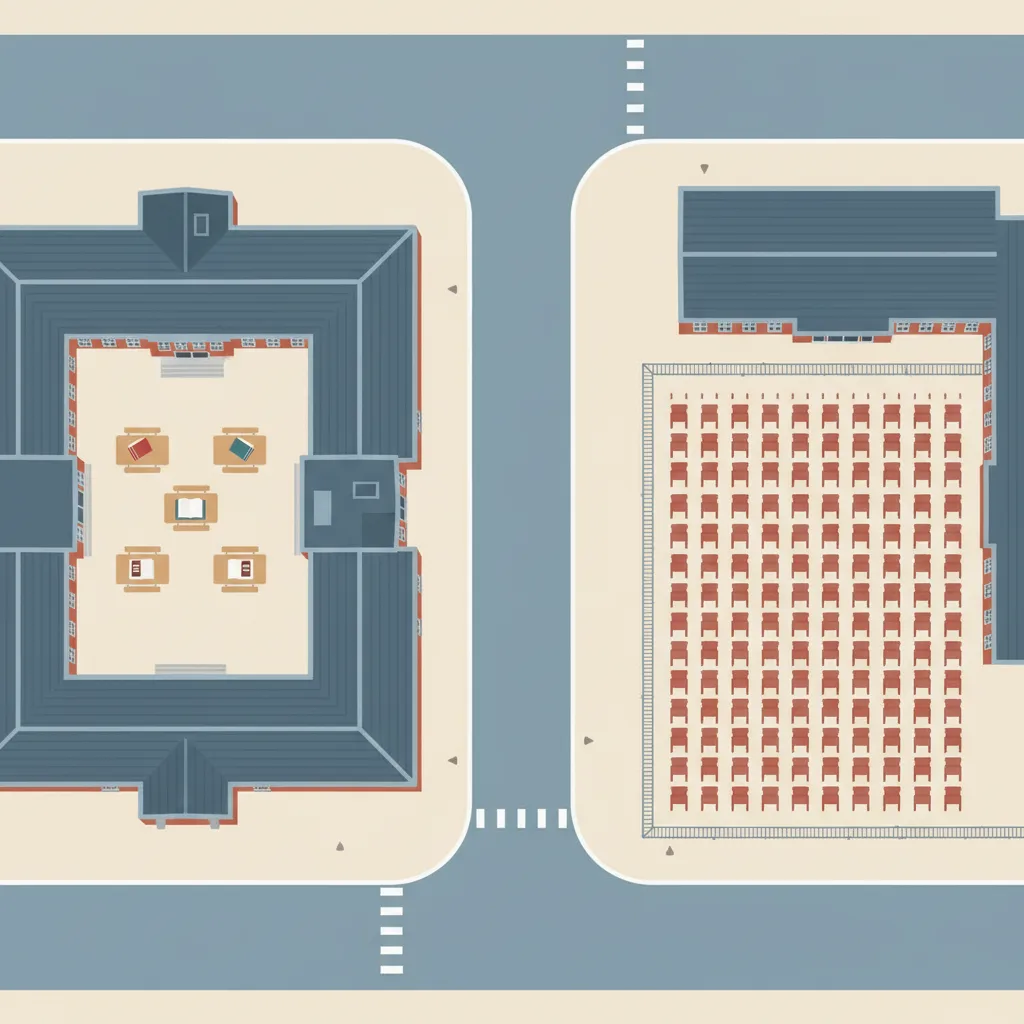





Among adults who played piano as children and subsequently quit, 48% report regretting the decision, according to a YouGov survey of 3,000 US adults conducted in June-July 2022. The figures are higher for guitar players (51%) and electric guitarists (55%), suggesting a consistent pattern across childhood instrument study: roughly half of former players, looking back from adulthood, wish they had continued. On the other side of the ledger, the Aspen Institute’s nationally representative survey of 3,827 youth athletes found that 21% of former players (those who quit sport) reported having been pressured to play when they did not want to, a rate more than double that of children who stayed in their sport. That 21% is an upper-bound estimate of resentment on the forced-continuation side; not every pressured child carries that experience into adult regret.
The case for allowing the quit is not without evidence. Ruth and Müllensiefen (2021) found in a longitudinal study of 3,303 UK and German adolescents that roughly half of young musicians quit before age 17, and that quitters “usually value the time they spent making music and consider it enriching despite having stopped.” In organized sport, the Aspen Institute data are consistent with forced participation contributing to eventual abandonment, though no survey here tracks whether children who quit on their own terms fare better or worse in adulthood than those required to continue. Duckworth, Peterson, Matthews, and Kelly (2007), however, found in six separate studies that grit (perseverance and passion for long-term goals) predicted educational attainment, military retention, and Spelling Bee ranking above and beyond IQ and conscientiousness. Separately, in her popular writing on grit, Duckworth has described a family “Hard Thing Rule” requiring each household member to stick with a chosen commitment through a natural stopping point rather than quitting mid-stream — an anecdote, not data, but one consistent with the same theory: that the capacity to finish hard things is itself trainable.
Gilovich and Medvec’s 1994 temporal asymmetry framework predicts the pattern: action regrets (having pushed a child to finish against their wishes) tend to feel acute in the present but fade as outcomes unfold; inaction regrets (having let the child quit) grow over time as the road not taken is romanticized. Richardson and Gilovich (2023), in a replication with n=2,600 museum visitors, confirmed that short-term regret favors actions, but the long-term asymmetry in the original finding attenuated. Applied to this dilemma, parents who permit the quit may feel relief immediately; the 48% regret rate among former child musicians suggests that the adult reckoning often reverses that judgment. The two proxy rates here are not directly comparable: music and sport are different domains, the respondents are different ages, and neither survey directly asks about the quit-vs-finish decision. What the data establish is a directional asymmetry: the quit side carries substantially more documented retrospective regret than the finish side, which is consistent with Gilovich’s framework even if the precise magnitude is uncertain.